Hardwood flooring has an inherent beauty that can enhance the elegance of any room. The natural patterns and grains exhibited by hardwood floors bring a touch of the outdoors inside, offering an organic and warm atmosphere. This timeless appeal is a significant reason why many homeowners consider hardwood floors to be a long-term investment.
Unlike other flooring options, hardwood’s classic look never goes out of style and seamlessly complements both modern and traditional interior designs. With proper care and maintenance, its charm actually tends to increase over time.
Moreover, a wide variety of styles, colors, and textures are available when opting for hardwood flooring. From rich mahogany to light oak, there are countless options to match any taste or decor theme. You can even choose between different finishes, whether it’s polished, distressed, or something rustic. Additionally, should you ever wish to switch things up, hardwood offers the flexibility of being sanded and refinished to achieve a completely new look without the need for a full replacement. This adaptability significantly benefits those who enjoy refreshing their home’s decor frequently.
Another reason to choose hardwood flooring is the added value it brings to your home. Real estate experts often point out that homes with hardwood flooring sell faster and at a higher price than those with carpets or other types of flooring. The durability and prestige associated with hardwood are key factors that make it an attractive feature for potential buyers. Not only does it create beautiful living spaces, but homeowners also enjoy the peace of mind knowing their investment will pay off. In essence, hardwood flooring marries aesthetic appeal with financial savvy, making it an excellent choice for any homeowner looking to upgrade.
Exceptional Durability
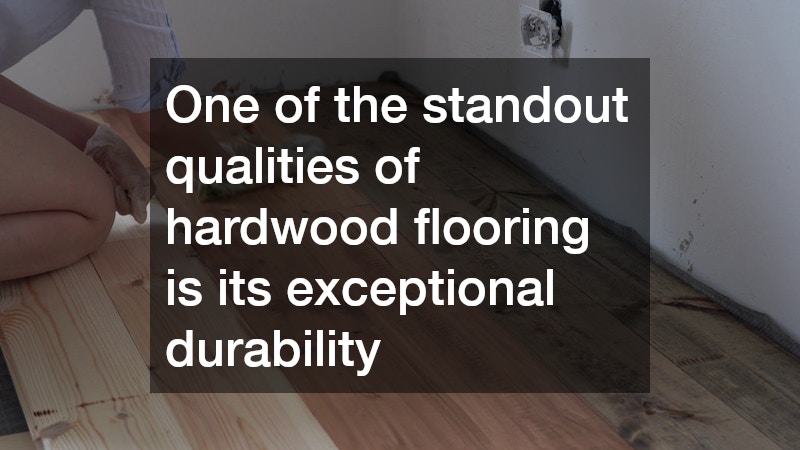
One of the standout qualities of hardwood flooring is its exceptional durability. When properly maintained, hardwood floors can withstand decades of wear and tear and still maintain their beauty. This longevity is particularly advantageous in high-traffic areas of the home, where constant foot traffic might normally lead to rapid deterioration with other types of flooring. Hardwood is robust and capable of taking life’s knocks, whether it’s from pets, children, or frequent hosting of events. Thus, it’s a highly practical choice for active households.
In addition to handling everyday wear, hardwood flooring is comparatively easy to maintain. Routine cleaning involves sweeping, vacuuming, and occasional mopping, all of which remove dirt and allergens that may accumulate on the surface. In case of scratches, dents, or dullness, professional refinishing can often restore the floor to its original state. Unlike carpet, which may absorb stains and dirt, hardwood surfaces resist stains much more effectively. This not only helps maintain the floor’s appearance but also ensures that your home remains a healthier space.
Hardwood’s durability isn’t just physical but also extends to its resistance against longer-term issues like gapping or warping. There are various species and qualities of wood to choose from that provide different levels of hardness and stability. For instance, oak and maple are particularly known for their toughness, making them popular choices for flooring material. While the initial cost and installation might be higher compared to other options, the situation is justified through the long-lasting performance and minimal replacement needs of hardwood. Investing in hardwood means less frequent need for repairs, saving money in the long run.
Eco-Friendly Choice
Contrary to some beliefs, investing in hardwood flooring can be an environmentally friendly decision. Many reputable suppliers ensure that their hardwood is harvested using sustainable forestry practices. This means that the wood comes from responsibly managed forests, where trees are replanted, and biodiversity is maintained. As a natural product, wood flooring is biodegradable, and when the time does come to replace it, it won’t contribute significantly to landfill waste. Better yet, the ability to refinish the surface multiple times over its lifespan extends its useful life and reduces the demand for new materials.
Furthermore, choosing hardwood contributes to improved indoor air quality. Unlike carpets, which can trap dust, allergens, and other pollutants, hardwood floors offer a smooth, hard surface that does not harbor residual pollen, animal dander, or dust mites. This makes it a particularly good choice for households with allergy sufferers, as airborne particles are minimal. Often, indoor air quality improves immediately after switching to hardwood flooring. Awareness of this health benefit is growing among consumers who see it as a key factor influencing their purchasing decisions.
On top of this, the energy efficiency provided by hardwood floors should not be overlooked. Wood is a natural insulator, and it helps maintain your interior temperature more consistently, potentially reducing energy costs. In colder months, hardwood retains heat efficiently, making your home comfortable while reducing the need for excessive heating. In addition, its natural aesthetic contributes to a sense of comfort and warmth that synthetic materials often fail to replicate. Considering the combination of sustainability, potential energy savings, and the health benefits it offers, hardwood flooring emerges as an appealing, eco-friendly choice.